1. Where you will run
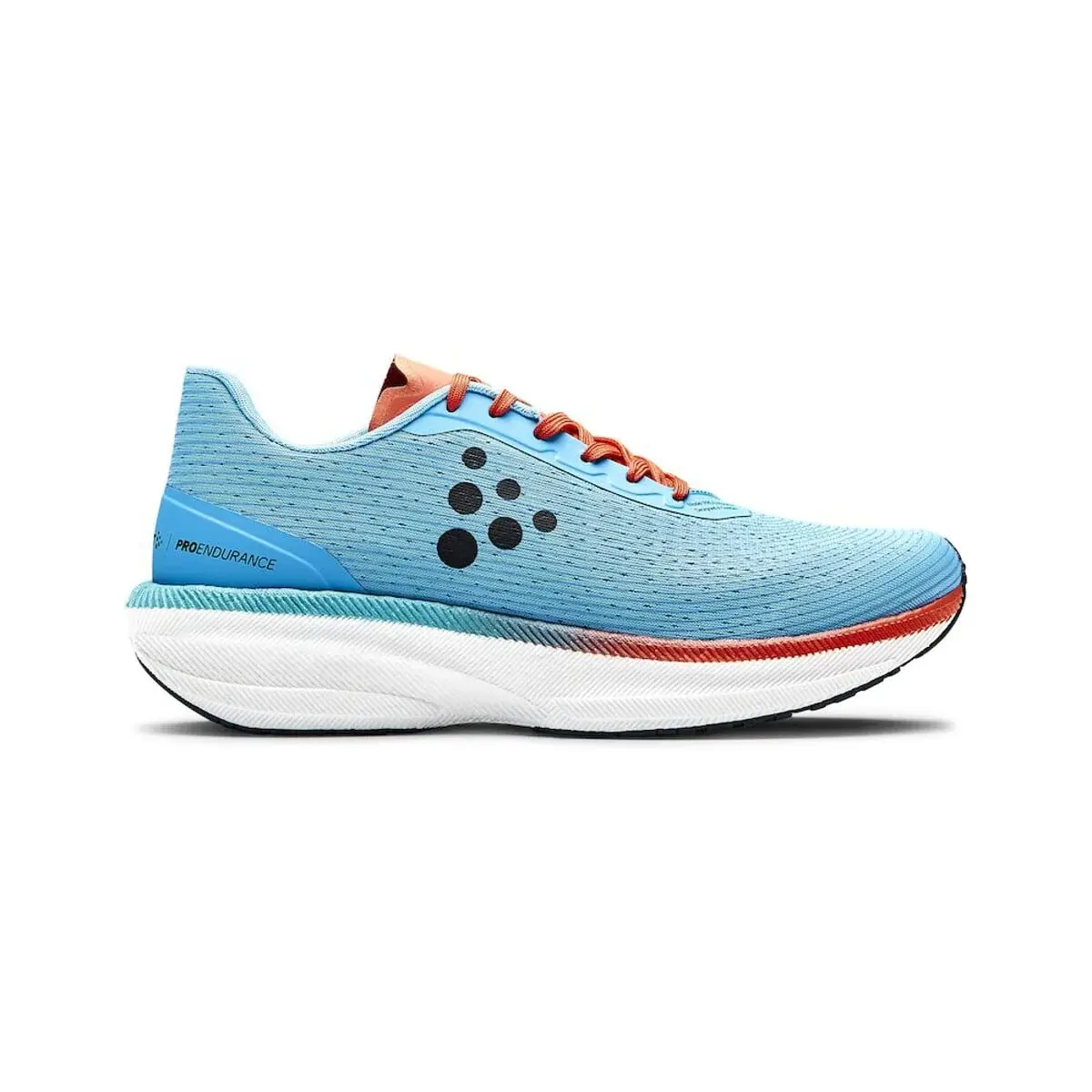
- Road, pavement, park: a road shoe has a smoother sole, more cushioning and is lighter. Running on tarmac and gravel is the most comfortable.
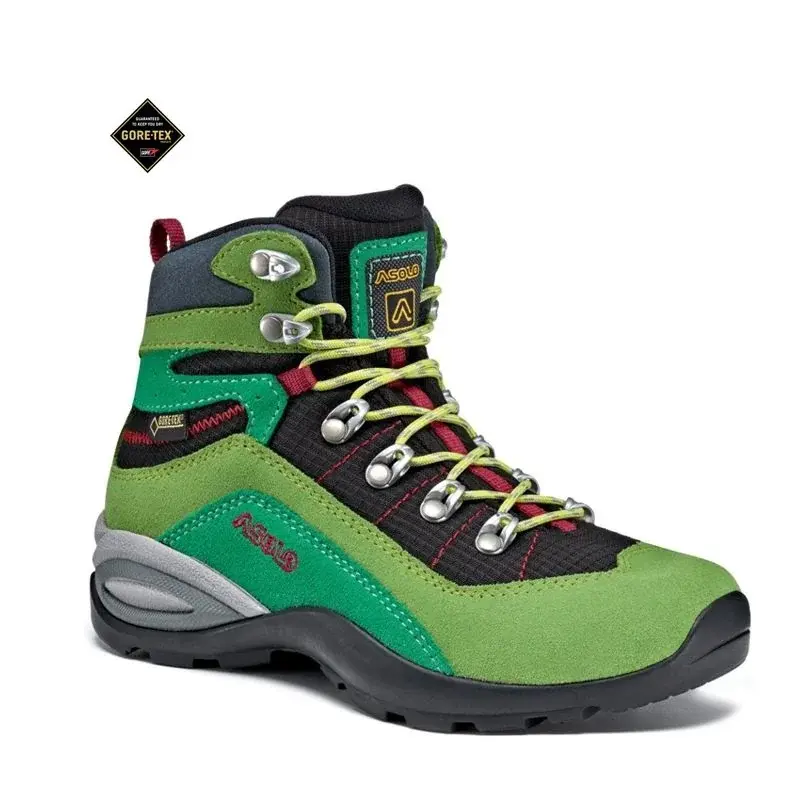
- Forest, meadows, mountains: a trail shoe has a deeper tread that grips on mud, roots and rocks. It usually has a firmer toe box for impact protection and a more durable upper.
- Both: if you mostly run from home on roads and forest paths, a versatile shoe with a moderate tread is ideal.
2. Cushioning: how much you need
Cushioning is provided by the midsole, the foam layer between the sole and the foot.
- More cushioning is appreciated on hard surfaces, on longer runs and if you are heavier. It is a safer choice for beginners.
- Less cushioning gives a better feel for the surface and the shoe is lighter. It is suitable for shorter, faster runs and technical terrain.
- Drop is the difference in height between the heel and the toe in millimetres. Standard shoes have a drop of 6–10 mm. A low drop (0–4 mm) puts more strain on the calves and Achilles tendons, so transition to it gradually.
3. Stability and foot shape
- A neutral shoe fits most runners. If nothing hurts when running, start with this one.
- A stability (support) shoe has a firmer inner side. It is useful if your ankle rolls significantly inwards when your foot strikes the ground. If you have pain or older injuries, it is a good idea to consult a specialist.
- Wide foot: many models are also made in a wide version (labelled Wide, 2E, 4E). The width at the toes is what matters, not the size. A shoe that pinches on the sides will not stretch during a run.
4. Size: how much bigger
- Leave roughly a thumb's width (about 1 cm) of free space in front of your big toe. Your foot moves forwards during a run, and even more so downhill.
- A running shoe is therefore usually half to a full size bigger than your everyday shoes.
- Try them on in the afternoon or after an activity when your foot is swollen, and in the socks you run in.
- Sizes vary from brand to brand. The measurement in centimetres according to the manufacturer's size guide is more reliable than the size you wear in another brand.
- Your heel must not slip in the shoe and your toes must not press against the front.
5. Running in winter and wet weather
- A membrane (for example GORE-TEX) keeps your foot dry in wet snow and on slushy paths. However, it is less breathable, and if water gets in from the top, it will not drain out of the shoe. For dry, freezing conditions, a shoe without a membrane and warmer socks are enough.
- For ice, the deeper tread of a trail shoe helps. Add microspikes for icy paths.
- You can find more about running in different weather conditions in the article Running in summer.
6. When to replace your shoes
The cushioning gradually loses its bounce. Replacing the shoes after 500–800 km is usually recommended, depending on the runner's weight, the surface and the model. Signs of wear:
- the midsole foam is wrinkled or compressed;
- the sole is worn smooth in the strike zone;
- your knees or feet start hurting after runs, even if nothing else has changed.
Tip: those who run frequently alternate between two pairs. The foam has time to recover between runs and each pair will last longer.
Summary
- Choose a road shoe for the road and a trail shoe for off-road.
- For a start, pick a neutral shoe with higher cushioning.
- Leave about 1 cm of space in front of your big toe and try them on wearing running socks.
- If you have wide feet, look for models in a Wide version.
- Replace your shoes after 500–800 km.
You can find men's and women's models in the Running shoes section: men's and women's.
Back to blog